
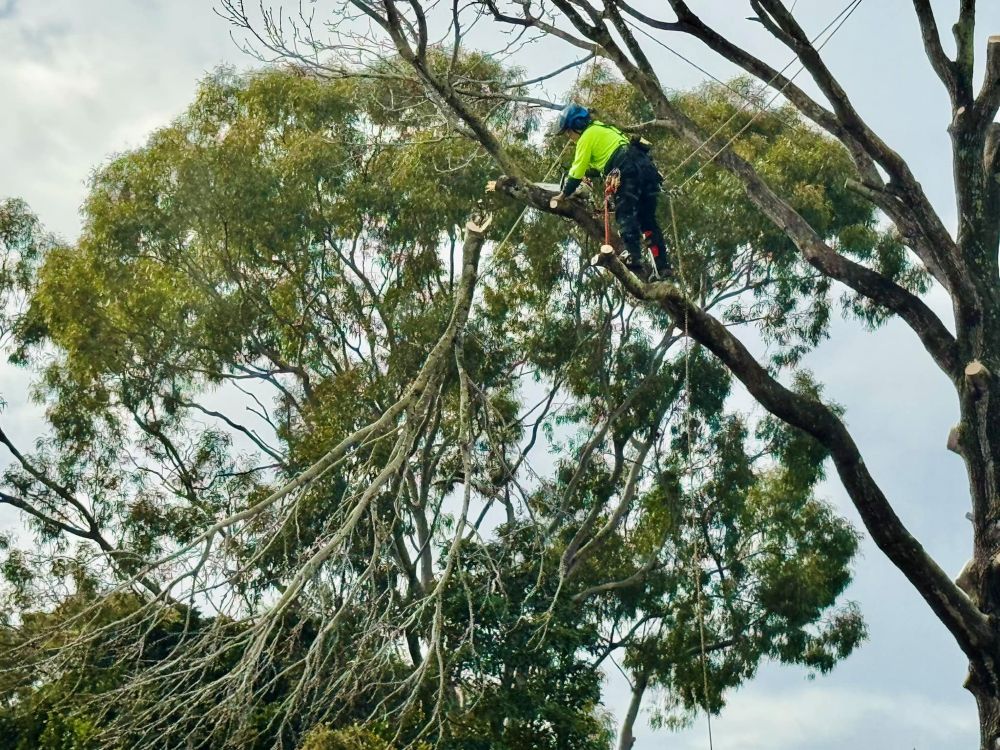
If you’ve ever searched for a “tree lopper” in Newcastle, you’ve probably noticed the terms get thrown around interchangeably. Tree lopping, tree pruning, tree trimming, they all sound like the same thing. They’re not. And after 27 years working with trees across Newcastle and the Hunter, I can tell you the difference matters a lot more than most people realise — especially if you actually want your tree to survive the process.
What Is Tree Lopping?
Tree lopping is the indiscriminate cutting of large branches and the tops of trees, usually to reduce size quickly without much thought for the tree’s structure or long-term health.
It’s fast, it’s often cheap, and it’s widely practised by operators who aren’t qualified arborists.
The problem isn’t the cutting itself. It’s what happens next.
Lopping leaves large, blunt wounds that a tree simply can’t defend properly. Unlike a clean pruning cut made at the right location, a lopping cut doesn’t allow the tree to compartmentalise and seal the wound. Disease, rot, and wood-boring insects move in through those open wounds. Meanwhile the tree, stressed and damaged, responds by throwing out masses of fast-growing epicormic shoots — the bushy regrowth you often see on lopped trees. It looks like recovery. It isn’t. Those shoots are structurally weak and poorly attached, and they’re more likely to drop in a summer storm than the branches that were removed in the first place.
In short: lopping often makes a tree more dangerous, not less. And it rarely solves the original problem for long.
What Is Tree Pruning?
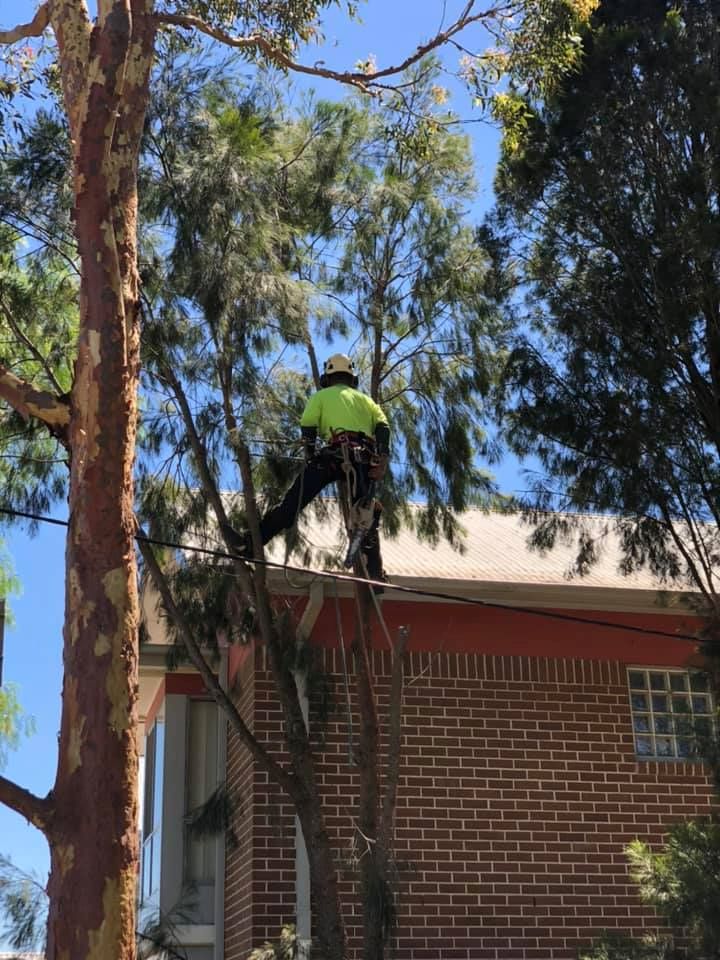
Tree pruning is the selective removal of specific branches for a specific reason, dead wood removal, structural improvement, reducing weight over a structure, clearing powerlines, or improving light into a garden. Done properly by a qualified arborist, pruning works with the tree rather than against it.
The cut location matters enormously. A correct pruning cut is made just outside the branch collar — the slightly raised ring of tissue at the base of the branch — which allows the tree to seal the wound efficiently. The right cut at the right time of year with clean equipment gives the tree every chance to defend itself and keep growing healthily for decades.
That’s a very different outcome to what lopping delivers.
Why Newcastle Trees Suffer More From Lopping Than Most
Newcastle’s urban tree canopy leans heavily on species that don’t respond well to being lopped. This is something I see play out over and over again on jobs across the city and the Hunter.
Spotted Gums and Eucalypts are everywhere in Newcastle yards and streetscapes, and they’re among the worst species to lop. Eucalypts are already under constant stress from our hot summers, dry spells, and the occasional coastal storm. Lopping adds acute stress on top of chronic stress, and a compromised eucalypt drops branches without much warning.
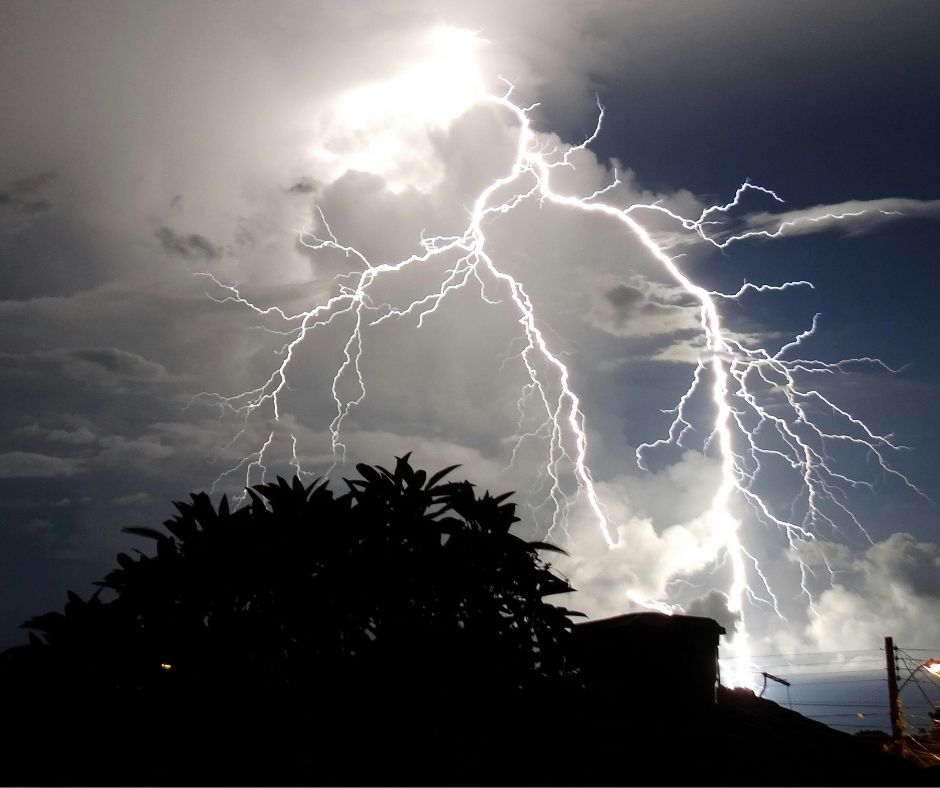
We did a case study recently on a Spotted Gum in Adamstown Heights that had already been through a lightning strike. The last thing a tree like that needs is the additional trauma of poor pruning practice.
Brush Box is another species that dominates older Newcastle suburbs and responds badly to lopping. They’re big trees, they can hit 20 metres or more in a suburban backyard — and the temptation is to whack the top off to reduce height quickly. The result is almost always a tree with multiple weakly attached regrowth leaders competing for dominance, any one of which can fail under load. I’ve assessed Brush Box trees years after they were lopped and the internal decay running down from those old lopping cuts is confronting.
Angophoras — the Sydney Red Gums you see in older parts of Newcastle, Merewether, The Junction, Bar Beach, are magnificent trees but structurally complex. Their naturally twisted, irregular form means any major pruning needs to be done with a real understanding of how the tree distributes load. Lopping an Angophora without that understanding often creates more structural problems than it solves.
Camphor Laurels are the one species where I’ll say lopping creates a different problem entirely, it doesn’t just damage the tree, it makes it more vigorous. Camphor Laurels respond to hard cutting by shooting back with incredible energy. If you’re trying to manage or remove one, lopping is the last thing you want to do.
Why Do People Still Search for “Tree Loppers”?
Honestly, because that’s what the industry has always called itself in Australia. “Tree lopper” has been the colloquial term for decades, and most people searching for it just want someone to come and sort out an overgrown tree. They’re not necessarily asking for damaging work. They just don’t know there’s a better term, or a better way.
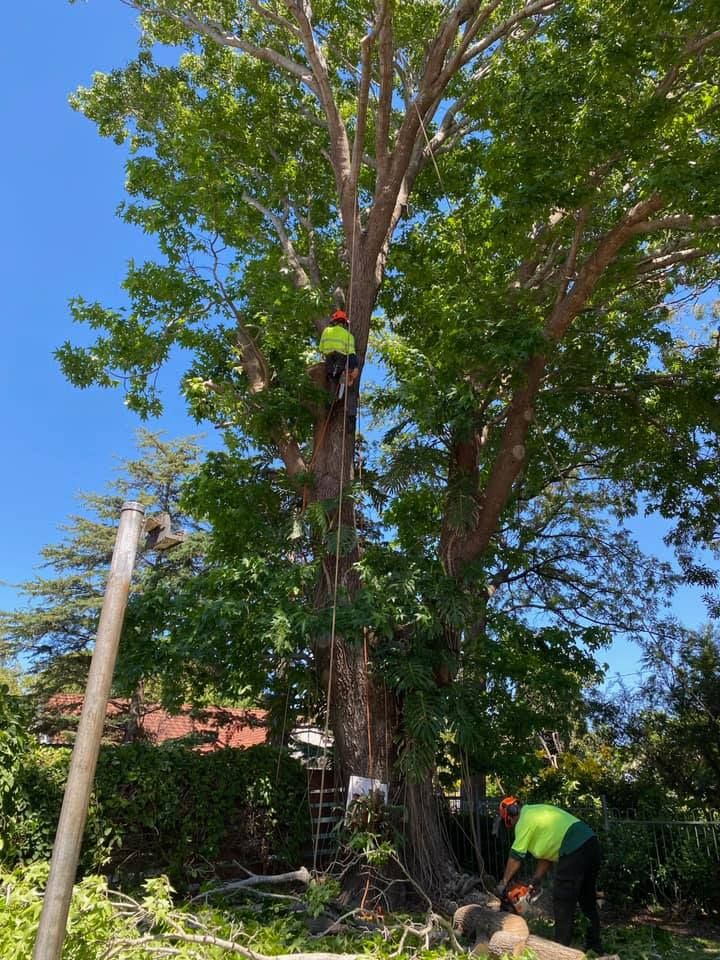
When you call us, you’ll get a qualified arborist regardless of what you call us. We use proper pruning technique on every job because that’s what actually solves the problem long-term.
When Is Removal the Right Call Instead?
Pruning isn’t always the answer. Sometimes a tree is too far gone, too structurally compromised, or simply in the wrong location to be worth saving. A qualified arborist will tell you honestly which situation you’re in, rather than just doing the job that’s easiest or most profitable.
Signs removal makes more sense than pruning:
- More than 50% of the canopy is dead or diseased
- The trunk has significant internal decay or hollow sections
- The tree has a dangerous lean that has worsened recently
- Root damage has compromised structural stability
- The species is known to cause problems in a suburban setting — we wrote a whole piece on the trees we wish people would stop planting in Newcastle backyards
The Quick Version
| Tree Lopping | Tree Pruning | |
|---|---|---|
| Method | Indiscriminate cutting | Selective, targeted cuts |
| Qualified arborist? | Usually not | Yes |
| Effect on tree health | Often damaging | Improves health |
| Long-term result | Weaker, more dangerous tree | Stronger, safer tree |
| Cost | Cheaper upfront | Better value long-term |
FAQs
Is tree lopping illegal in NSW?
Lopping isn’t outright illegal, but it is considered poor arboricultural practice under AS 4373-2007, and many councils have tree protection orders that restrict what can be done to protected trees regardless of what you call it. An arborist will know what’s permitted in your area.
How much does tree pruning cost in Newcastle?
Pruning costs vary depending on the size of the tree, access, and what work is needed. Waratah provides free quotes — contact us with a photo and description for an estimate.
How often does a tree need pruning?
Most trees benefit from assessment every 3–5 years, though trees near structures, powerlines, or with known health issues may need more regular attention.
Steven Brown is a senior arborist at Waratah Professional Tree Care, Newcastle’s ISO certified arborist with over 27 years of experience across Newcastle and the Hunter Region.
Need a pruning assessment or free quote?
Call us on (02) 4956 6602 or get a free quote online
What Others Are Reading:
Our Services
Get In Touch
Contact us today for a free, no-obligation quote on our professional tree care services.