
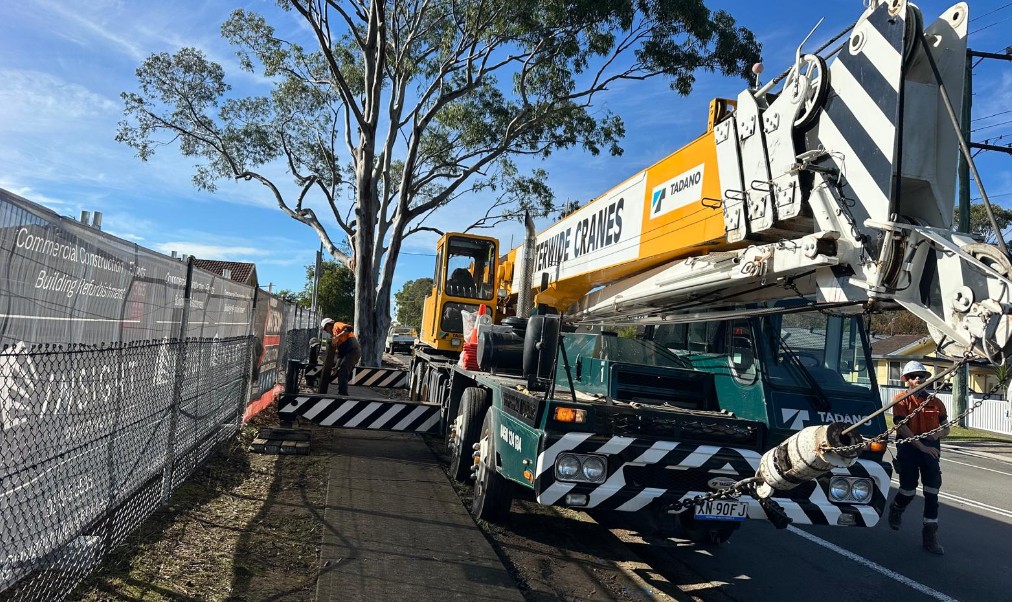
Short answer: usually yes. In the City of Newcastle area most established trees are declared vegetation, and you need a council permit before you clear one unless your tree fits a specific exemption. The exemptions are set out in the council’s own controls, and a dead tree, a storm damaged tree, a small tree or a tree very close to the house often sits inside one.
Working across Newcastle and the Hunter since 1998, the honest answer is that it comes down to your tree, its size and where it sits, so here is how to work out which side of the line you are on before you book anyone.
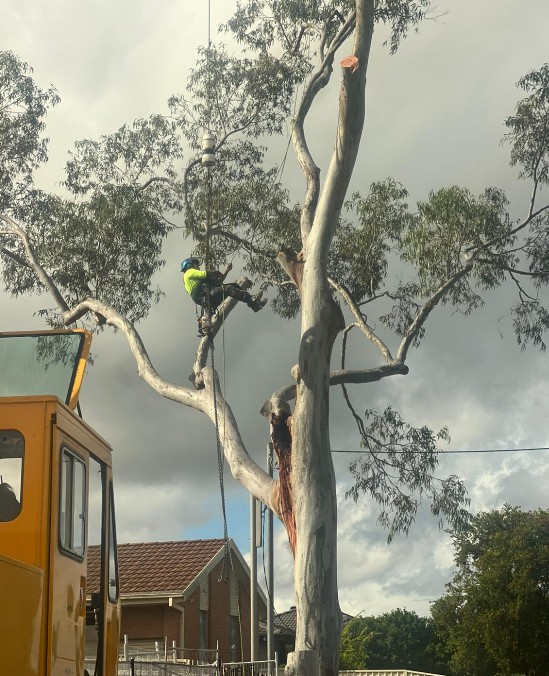
Why City of Newcastle Controls Tree Removal on Private Land
Newcastle’s controls sit in Section C3 of the Newcastle Development Control Plan 2023, which applies to vegetation clearing that requires a permit under the State Environmental Planning Policy (Biodiversity and Conservation) 2021. The DCP sets out three possible pathways: the work is exempt, the work needs a permit, or the work needs development consent because it is tied to a building project.
The detail differs from one council to the next, which is the part that catches people. A tree you could remove freely in one council area can need a permit one suburb over.
When You Need Council Approval to Remove a Tree in Newcastle
Newcastle uses the term declared vegetation for what is protected. Under Section C3, declared vegetation includes:
- Size: any tree three metres or more in height, or with a diameter measured 1.4 metres above ground level of 15 centimetres or more for a single trunk tree, or 10 centimetres or more for one of the trunks of a multi trunk tree. The council’s public page puts the exempt size the other way round and as a measurement around the trunk, being a circumference at 1.4 metres of less than 450 millimetres for a single trunk tree, or less than 300 millimetres for each trunk of a multi trunk tree.
- Shrubs: any shrub three metres or more in height under the DCP wording. Note that the council’s own private tree removal page states the exemption differently, as a shrub less than five metres in height that is not part of a native vegetation community, so confirm the position for your shrub with the council.
- Native vegetation: anything that is a threatened species, an endangered ecological community, or that provides habitat for threatened species.
- Conditions: a tree required to be retained or planted as a condition of a complying development certificate, permit or development consent.
- Council land: any vegetation on land managed by City of Newcastle.
If your tree is declared vegetation and does not meet an exemption, you need a permit from the council before it comes out. Where the removal is to enable building work that needs consent, the tree is dealt with inside the development application instead.
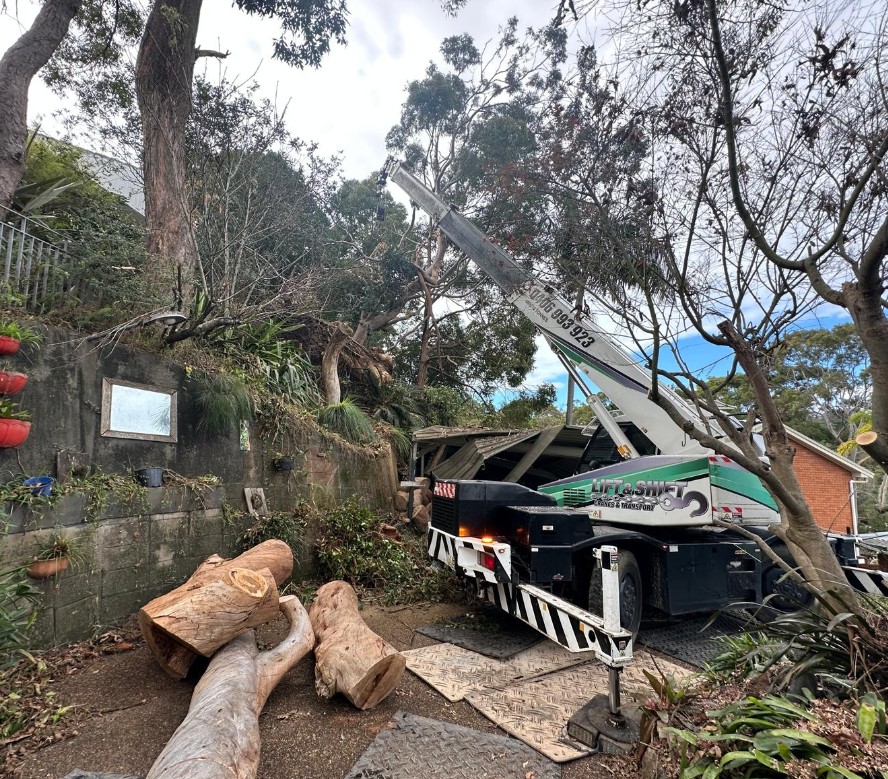
Trees Newcastle Exempts From a Tree Removal Permit
A permit is not required to clear declared vegetation on private land where the landowner’s consent has been obtained and one of the following applies, as set out in control C-2 of Section C3 and on the council’s own private tree removal page:
- Already approved: the clearing has been authorised by a development consent or under other legislation.
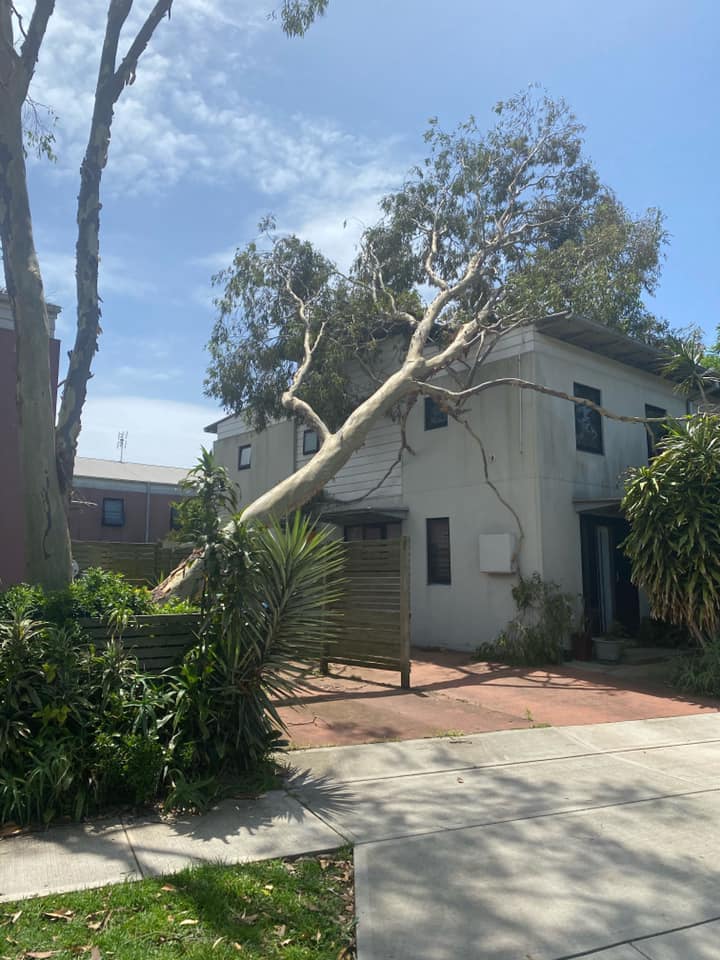
- Storm risk: the tree or shrub poses an immediate risk to life or property because of a demonstrated sudden change to its structure after a severe storm or wind event, and the work meets the requirements of the Urban Forest Technical Manual.
- Dead or storm damaged: the tree is dead or storm damaged and is not a habitat tree, not on land that is a heritage item, not in a heritage conservation area and visible from the street or other public areas other than a lane, and not part of an Aboriginal object or within an Aboriginal place of heritage significance.
- Close to a building: the tree sits within three metres of the edge of a pool, or of a dwelling or building greater than 20 square metres, measured from the closest point of the trunk to the footings or to the outside edge of the pool coping, with the same heritage exclusions.
- Listed species: the tree is listed in Table C3.01 of the Urban Forest Technical Manual, and is not on a heritage item or visible from the street in a heritage conservation area.
Two of these carry conditions even though no permit is needed. Where the tree poses an immediate risk after a storm, control C-2 requires the work to meet the requirements of the Urban Forest Technical Manual. And for a storm damaged removal, the council’s Storm Damaged Tree Removal form has to be submitted within five days of the tree coming out.
Dead, Dying and Storm Damaged Tree Removal in Newcastle
The dead and dangerous exemptions are the ones people lean on hardest, and they are also where the wording does real work. The DCP defines a dead tree as one where the biological function of the tree has ceased, with no leaves present and visible evidence of trunk, root plate and canopy desiccation. The storm exemption is not for a tree you have always thought looked risky. It is for a demonstrated sudden change to the structure of the tree caused by a severe storm or wind event.
So thinking a tree is dangerous is not the same as it qualifying. If it does not clearly meet the wording, the safer path is the permit, because the council can ask what the tree looked like before it came out.
Exempt Tree Species on the Newcastle Removal List
Table C3.01 of the Urban Forest Technical Manual lists undesirable species that are exempt from the permit requirement. The list includes cocos palm, Canary Island date palm, camphor laurel, privet, willow, coral tree, African olive, oleander, cotoneaster, firethorn, honey locust, rubber tree, Norfolk Island hibiscus, Chinese tallow, hackberry, tree of heaven, bitou bush and several wattles.
Two of those carry a size limit. Camphor laurel and Chinese tallow are exempt except where the tree height exceeds 10 metres or the trunk diameter at 1.4 metres above ground level exceeds 30 centimetres. And the species exemption does not apply at all if the tree is on a heritage item or is visible from the street in a heritage conservation area.
Tree Pruning in Newcastle Without a Council Permit
Pruning is treated differently from removal. Under control C-3 of Section C3, a permit is not required for pruning declared vegetation where the pruning would not be considered clearing vegetation under the Biodiversity and Conservation SEPP definition, and the pruning is done in accordance with AS 4373 to 2007, including by a person with training to AQF Level 3 in Arboriculture or above, or equivalent. Clearing, in that definition, covers cutting down, felling, uprooting, killing, poisoning, ringbarking or burning the vegetation, or removing a substantial part of it.
In plain terms, taking a modest amount off a tree properly is generally fine. Taking a large part of it is clearing, and clearing needs approval.
This is one of the reasons correct tree pruning by a qualified arborist is worth having.
Newcastle Tree Removals That Sit Outside the Standard Application
Some trees are not handled through the ordinary private tree removal application at all. According to City of Newcastle, these include:
- Development: trees whose removal forms part of a development application, and trees a current or past development consent requires to be retained.
- Bushfire: properties inside a 10/50 Vegetation Clearing Entitlement Area.
- Heritage: heritage listed or culturally significant trees, which need a Heritage Minor Works form.
- Native vegetation: vegetation that is part of an endangered ecological community, a native vegetation community or a threatened species, which needs a Native Vegetation Removal Permit.
- Wetlands: trees within 100 metres of a designated SEPP 14 wetland.
On the bushfire pathway, Section C3 confirms that tree clearing on private land under the 10/50 rules is done in accordance with NSW Rural Fire Service requirements and does not need a Newcastle permit. The NSW RFS explains that the scheme lets people in a designated area clear trees within 10 metres of a home, and underlying vegetation such as shrubs but not trees within 50 metres of a home, without seeking approval. The RFS also advises checking its online tool on the day you clear, because the entitlement area and the rules can change and you have to follow what is in place at the time.
Two more are worth knowing, and both come from the explanatory notes in Section C3. Trees and shrubs in road reserves or on land managed by City of Newcastle can only be worked on by the council. And clearing on waterfront land, which Section C3 describes as the bed, bank and all land within 40 metres of any river, lake or estuary, may need a controlled activity approval under the NSW Water Management Act 2000.
What a Newcastle Tree Removal Permit Application Needs
If your tree does not meet an exemption, the application goes to City of Newcastle. Based on the council’s own guidance and Section C3, an application involves a completed permit application form, and for a declared tree proposed for removal, a written assessment that the applicant arranges with a consulting arborist qualified to AQF Level 5, demonstrating that at least one of the tree assessment tests in the Urban Forest Technical Manual has been met and identifying the replacement planting. Owner’s consent is needed where you are not the sole owner of the property. Fees apply and are quoted through the council’s application process.
A few practical numbers from the council. Most applications are processed within 30 days, and heritage matters take longer because they are referred to a heritage officer. An approved permit stays valid for five years. Applications are commonly refused where the removal is really part of a development, where requested information is not supplied within 28 days, where the supporting assessment does not clearly demonstrate how the tree meets the criteria, or where landowner consent is missing. The council’s page is the place to confirm the current requirements for your address before you start.
What Happens If You Remove a Protected Tree Without Approval
Legal Aid NSW states plainly that you can be fined if you interfere with a protected tree. If you are not certain which category your tree falls into, get it checked first.
And if the tree is already the subject of a disagreement with a neighbour, read what to do if a tree is causing a dispute with your neighbour in NSW before anyone touches it.
How a Qualified Arborist Helps With Tree Removal in Newcastle
This is the part we do every week. We come out, look at the tree, measure it, and tell you plainly which of the council’s categories it looks like it falls into, including when the honest answer is that you need to lodge an application. We are not going to tell you a healthy tree is dangerous so you can skip the paperwork, because that is how people end up with a fine.
Once you know where you stand, we handle the work itself. That is tree removal, pruning to AS 4373, stump grinding and the clean up, across Newcastle, Lake Macquarie, Maitland and the wider Hunter. If you want a sense of what actually comes out of local backyards, see the six trees Newcastle arborists remove most often.
Frequently Asked Questions About Council Tree Removal Approval
Do I need council approval to remove a tree on my own property in Newcastle?
Usually yes. In the City of Newcastle area a tree three metres or more in height, or 15 centimetres or more in trunk diameter measured at 1.4 metres, is declared vegetation and needs a permit before it is cleared, even on your own land. There are written exemptions covering dead, storm damaged, small, close to the house and listed species trees, so check yours against the council’s list first.
Is a dead tree exempt from council approval in Newcastle?
Often yes. Under Section C3 a dead or storm damaged tree is exempt provided it is not a habitat tree, not on a heritage item, not visible from the street in a heritage conservation area, and not part of an Aboriginal object or place of heritage significance. The council defines a dead tree tightly, so it is worth having the tree looked at rather than relying on your own read of it.
Do I need approval to remove a cocos palm in Newcastle?
In the City of Newcastle area, cocos palm is on the Table C3.01 list of exempt undesirable species, so a permit is generally not needed. The exemption falls away if the palm is on a heritage item or is visible from the street in a heritage conservation area. Other councils run their own lists, so confirm with yours if you are outside Newcastle.
Which council covers my address in the Hunter?
Newcastle, Lake Macquarie and Maitland each cover different suburbs and each runs its own tree controls, and they are not the same. Maitland handles most work through a Tree Permit or development application lodged on the NSW Planning Portal, and Lake Macquarie uses its own assessment tools for pruning and removal. Your rates notice tells you which council you are in, and we can confirm which controls apply when we look at the tree.
How long does a Newcastle tree removal permit take?
City of Newcastle states that most tree removal permit applications are processed within 30 days, and that applications involving a heritage listed tree or a heritage conservation area can take longer because they are referred to a heritage officer. An approved permit then stays valid for five years. Timeframes are set by the council, not by us.
General information only, current to September 2026. Council rules and state planning controls change, so confirm the position with your council before any work starts.
Sources:City of Newcastle, private tree removal · Newcastle DCP 2023 Section C3 · NSW RFS 10/50 vegetation clearing · Maitland City Council tree application guide · Lake Macquarie City Council tree pruning and removal · Legal Aid NSW, Trees
Our Services
Get In Touch
Contact us today for a free, no-obligation quote on our professional tree care services.