
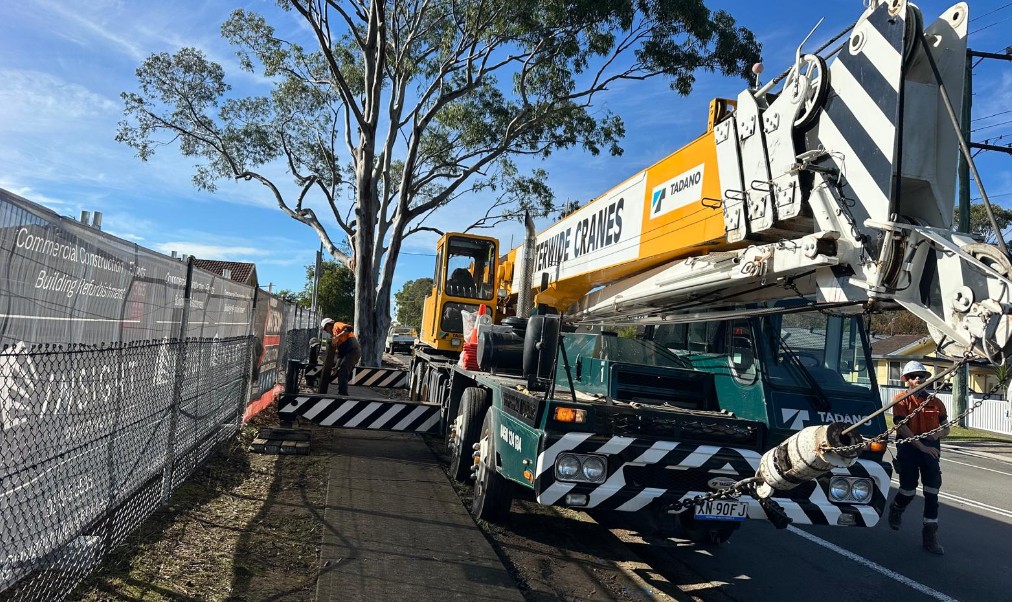
Your plumber has cleared the drain three times this year. Each time it’s the same tree’s roots pulling the line apart. You’re tired of paying for emergency clears, the kitchen’s been off twice in six months, and you’re starting to wonder if the simplest answer is to just take the tree out. Sometimes it is. Here’s how to know, and what’s actually involved if removing the tree is the right call for your Newcastle or Hunter property.
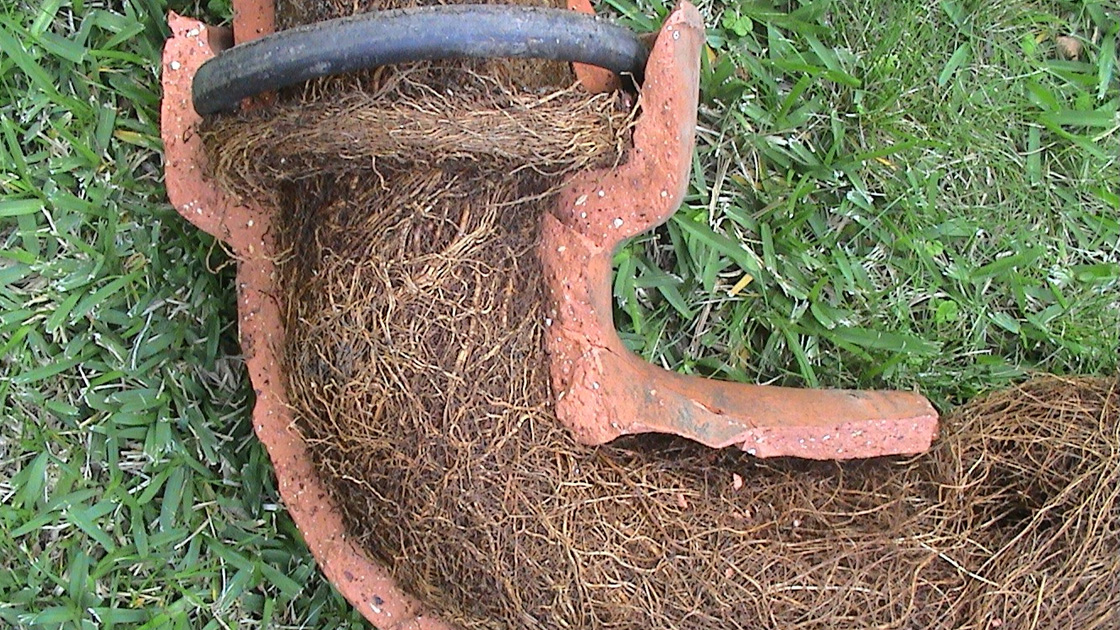
Why The Tree Keeps Winning
A mature tree’s root system is enormous, typically two to three times the diameter of the canopy above ground. For a 15-metre tree, that means a root spread of 30 to 45 metres in every direction. Your sewer line, your stormwater drain, and even your water main are sitting in that root zone whether you like it or not.
Plumbers can clear the roots inside the pipe. They can even reline the pipe so there are no joints for roots to enter. But the tree is still there, still water-seeking, still pushing roots toward any micro-crack in any pipe within reach. Reline one drain and the tree finds the stormwater pipe next. Or the neighbour’s. The pipe work treats the symptom. The tree is the cause.
Trees That Cause The Most Drain Damage In Newcastle And The Hunter
- Camphor laurel: Massive, aggressive root system. Common across older Newcastle and Hunter Valley properties. Top of the drain-damage list, every year, and one of the trees we remove most often.
- Liquidambar: A popular street tree across Newcastle, Lake Macquarie, and Cessnock. Surface-rooted and notorious for paving lifts and pipe damage.
- Jacaranda: Beautiful, but shallow-rooted and wide-spreading. Will find any drain near them.
- Willows: Anywhere near water, Lake Macquarie fringes, riverbank properties, low-lying areas. Will destroy pipes they reach.
- Mature eucalypts: The bigger species (river red gum, spotted gum, blue gum) have deep, wide-reaching root systems. Common across acreage properties from Maitland through to the Watagans.
- Figs: Strangler fig, Moreton Bay fig, Port Jackson fig, any of them in close proximity to pipes will destroy them given time.
- Bottlebrush and grevillea: Smaller than most on this list, but still cause issues when planted directly over drain lines.
When Removing The Tree Is Actually The Right Call
- The tree is within 5 metres of the affected drain line: Roots are already there. Pipe work will buy you time, not solve the problem.
- The same drain has blocked three or more times in 18 months: The pipe and the tree are in an unwinnable fight. Either fully reline the pipe AND remove the tree, or accept ongoing blockages.
- The tree is causing additional structural issues: Lifting paving, cracking concrete, pushing into foundations. The drain problem is often the first sign of broader root damage.
- The tree is past its useful life: A 50-year-old camphor laurel with hollow limbs, dieback, or storm-damaged structure is approaching the end of its life anyway. Removing it now is cheaper than waiting for it to drop a branch on the house.
- The tree is the wrong species for the spot: Some species should never have been planted close to the house. If you’ve inherited a tree that’s a problem now and will keep being a problem, removal frees up the space for a better-suited replacement.
When Removal Isn’t The Answer
- The tree is healthy, mature, and well-placed: A genuinely good tree on the property isn’t worth removing for a single drain issue. Reline the pipe, manage the relationship.
- The tree provides significant shade or wind protection: Losing it changes how the house performs in summer or storms. The replacement cost includes shade loss, not just removal.
- Council protection applies: Some Newcastle, Lake Macquarie, and Hunter LGAs have heritage tree registers or significant tree orders. Removal isn’t always permitted (more on this below).
- It’s not actually the tree causing the problem: Sometimes the pipe has failed independently and a different tree, or just old infrastructure, is the cause. CCTV inspection of the drain confirms exactly which roots are entering and where.
Council Approval, What You Need To Know For Newcastle And The Hunter
Every council in the Hunter region has its own tree management rules, and they’re stricter than most people expect:
- Newcastle City Council: Tree Management Permit required for most trees over 3 metres tall or with a trunk diameter over 200mm. Heritage area trees and listed significant trees require additional approval.
- Lake Macquarie City Council: Tree Preservation Order applies, any tree over 5 metres tall, or 6 metres wide canopy, or 300mm trunk diameter typically needs council consent.
- Maitland City Council: Similar threshold-based protections. Native species protected more strictly.
- Cessnock and Singleton: Generally less restrictive but still have protection orders for significant species.
- Port Stephens: Coastal vegetation protections plus standard tree preservation rules.
The good news: if a tree is genuinely causing structural damage to your property, including documented drain damage, councils almost always approve removal. We provide the documentation you’ll need with your removal quote, including an arborist’s report on the tree’s condition and contribution to the drain damage. That report is what gets council approval over the line.
What Removal Actually Costs
Tree removal pricing in Newcastle and the Hunter depends on size, access, and what’s around the tree.
Compare that to the recurring cost of drain clears (from $450 each, three times a year is $1,350) plus eventual pipe replacement (from $4,500), and tree removal often pays for itself within 18 to 24 months. We don’t push removal unless it’s actually the right answer, sometimes saving the tree and relining the pipe is the smarter long-term play.
The Combined Approach, Tree Out, Pipe Relined
For properties where the tree-drain conflict has been going on for years, the best outcome is usually both: remove the offending tree, then reline the damaged pipe sections. The pipe is restored to better-than-new condition, the root pressure is gone, and you’re not paying for ongoing blockages or root regrowth treatments.
Waratah Professional Tree Care works directly with several Newcastle and Hunter plumbers, when we remove a problem tree, your plumber can do the pipe inspection and any relining work the same week. One project, two trades coordinated, no leftover damage.
Frequently Asked Questions
Do I Need Council Approval To Remove A Tree Causing Drain Damage In Newcastle?
Yes for most mature trees in Newcastle, Lake Macquarie, Maitland, and surrounding LGAs. Trees over the size threshold (typically 3-5 metres tall or 200-300mm trunk diameter) need a Tree Management Permit. If the tree is causing documented structural or drainage damage, councils almost always approve removal, we provide the arborist’s report needed for the application as part of our quote.
How Close Does A Tree Need To Be To A Drain Before It Causes Problems?
Trees within 5 metres of a drain line are the highest risk. Trees within 10 metres are moderate risk, especially aggressive root species like camphor laurel, willows, and figs. Trees beyond 15 metres rarely cause direct drain damage unless they’re very large mature specimens with extensive root spread.
Can I Just Cut The Roots Instead Of Removing The Whole Tree?
Sometimes, but it’s a temporary fix and can destabilise the tree. Root cutting (root pruning) is a controlled removal of specific roots, usually combined with a root barrier installation to prevent regrowth toward the drain. It’s an option for healthy trees where removal isn’t justified, but it doesn’t solve the underlying water-seeking behaviour and the tree will send new roots out from elsewhere.
How Long Does It Take To Remove A Large Tree?
A medium suburban tree is usually a half-day to full-day job. A large tree near a house, requiring controlled sectional removal, runs one to two full days. Very large or technical removals requiring cranes or restricted access can take two to three days. Council permit processing time adds two to four weeks before the work starts.
Will I Need To Replace The Tree?
Some Newcastle and Hunter councils require replacement planting as part of the Tree Management Permit conditions, particularly if the removed tree was significant. The replacement is usually a smaller-growing species in a more appropriate spot. We factor this into the quote and recommend species that won’t repeat the original problem.
Is My Insurance Likely To Cover The Drain Damage?
Possibly. Most home and contents insurance policies in Australia exclude gradual damage from tree roots, but cover sudden events. If the drain damage led to flooding, water damage to the home, or sewerage backup, those consequences may be covered even though the underlying pipe damage isn’t. Worth asking your insurer specifically, and worth keeping documentation of the drain reports and CCTV findings for any claim.
Does Waratah Cover The Whole Hunter Region?
Yes, we operate across Newcastle, Lake Macquarie, Maitland, Cessnock, Port Stephens, and the wider Hunter Valley. Same crew, same equipment, same fixed pricing regardless of where in the region the job is.
Get An Honest Assessment Of Your Tree
Before you commit to removal, book a site assessment with Waratah. We’ll look at the tree, the drain damage, the surrounding property, and tell you whether removal is genuinely the right call, or whether root pruning, barrier installation, or letting the plumber reline the pipe is the better path. Honest advice, fixed-price quote. Get in touch or call our team.

Our Services
Get In Touch
Contact us today for a free, no-obligation quote on our professional tree care services.